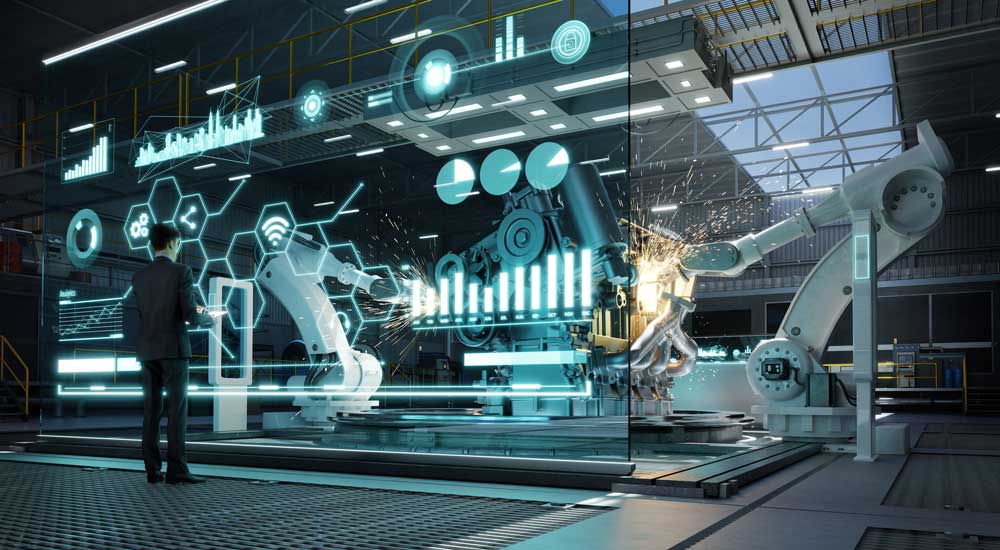
Data is an ever-present and growing benchmark in all industries. However, sometimes it may feel like it’s cloaked in mystery. There’s often a question of why collecting process data is important. You then start to go down the rabbit hole trying to answer: How do you get data out of your equipment? How do you decide what to collect? After assessing the previous questions, how do you test, and if necessary, validate that all of that data is being collected as expected? Understanding a holistic approach to data collection and validation from an AVEVA PI Historian System can help provide a high-level, big-picture understanding of the importance of process data. With more than 10 years’ experience as a group engineering manager, Matt Martin has a depth of experience with integrating AVEVA PI Systems within sites of various sizes – here’s what I’ve learned: Why is the Importance of Data Increasing? The “why” question is the easiest one to answer. Everyone can agree that in the era of modern manufacturing, extracting data from your manufacturing processes is critical to a business’s success and ability to grow. This includes every level of production and management: Having large representative data sets is becoming even more important with the advent of AI and, more specifically, machine learning. Allowing these technologies access to your system’s data helps identify patterns, overall system behavior, and correlations that were previously near impossible for the human eye to uncover. How to Collect Data from PI Historian Systems Now that we’ve discussed the “easy” part that everyone can agree on, we can begin to examine “How do you get data out of your equipment?” At a high level, you will need a process historian system. E Tech Group currently recommends the AVEVA PI System for its robust and rich feature set … Continued