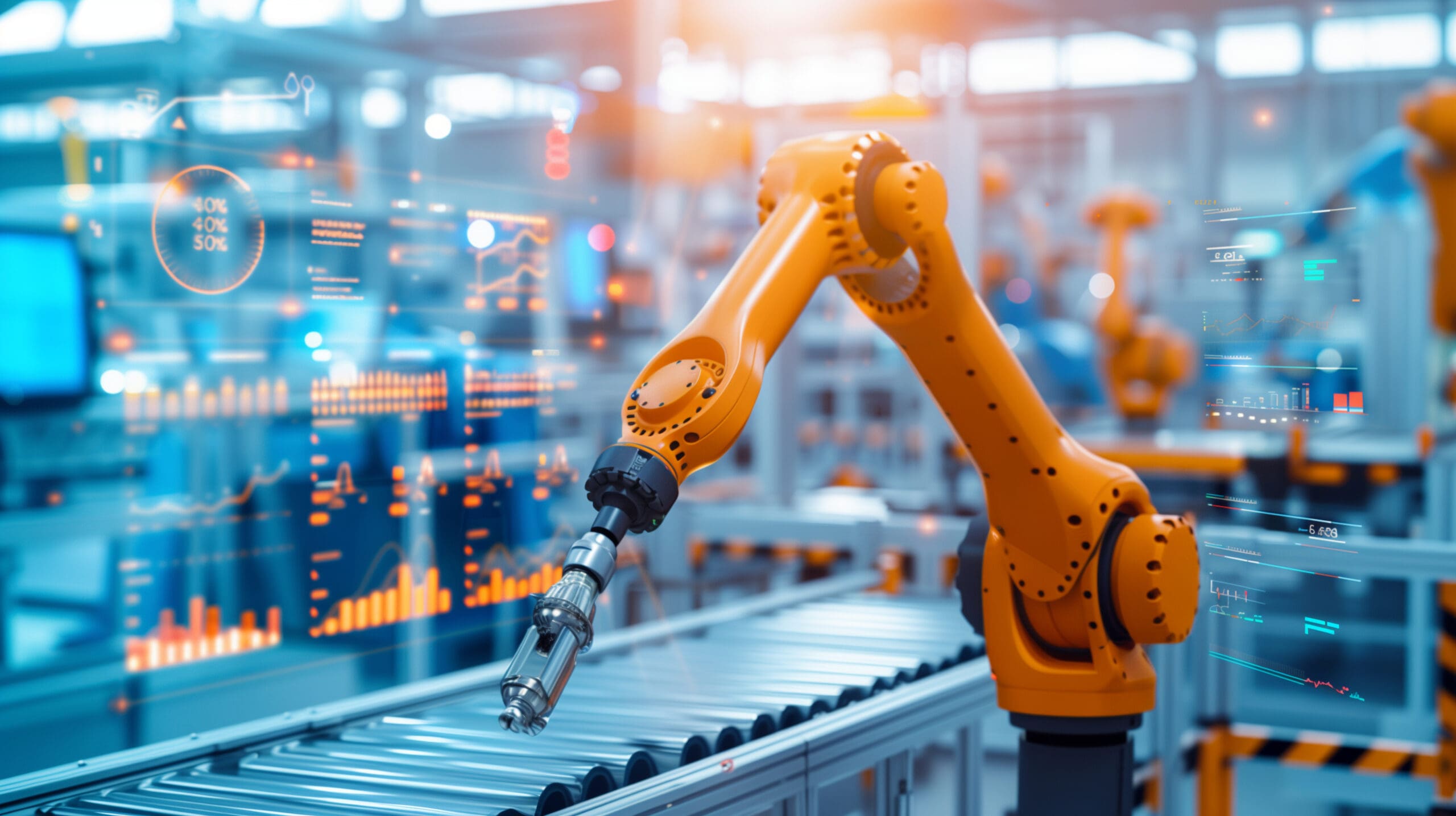
Collaborative robots are machines that interface with people to complete a process. Whether automated guided vehicles in a warehouse or robotic arms on a bottling conveyer, collaborative robots, also known as cobots, can transform workplace conditions and culture across industries. Designed to interact directly with people, cobots augment the capabilities of your labor force. Collaborative robots are built with advanced sensors that can detect human presence, and robust safety features to control interactions and warn about potential hazards. The versatility required in a cobot is much like the versatility required for human labor, and the cobot’s ability to adapt and adjust is what makes it applicable to a variety of industries. Below, we discuss use cases for cobots, benefits to businesses, and challenges that must be addressed in implementation of collaborative robots at an industrial facility. Use Cases for Collaborative Robots Cobots are already a crucial part of operations in several industries. More than waiting on understanding how to integrate collaborative robots to control system upgrades, we’re waiting on the technology to become more accessible to smaller companies and more specialized operations. Presently, common applications of cobots in the industrial sector include: Benefits of Cobot Integration Collaborative robots span the gap between a facility’s workforce and its automation equipment. As such, there’s two sides to each benefit they offer: Obstacles to Implementation As with any advancement in automation technology, it takes time before the transition reaches the point where it cascades throughout companies and sectors. Naturally, there are obstacles to overcome. This can be especially true with things that are so new; robots have been around for quite a while, but interactive robots are a whole different game. Challenges companies face when deciding whether to augment their automation systems with cobots include: E Tech Group: A Collaborative Robotics Automation Company Each time … Continued