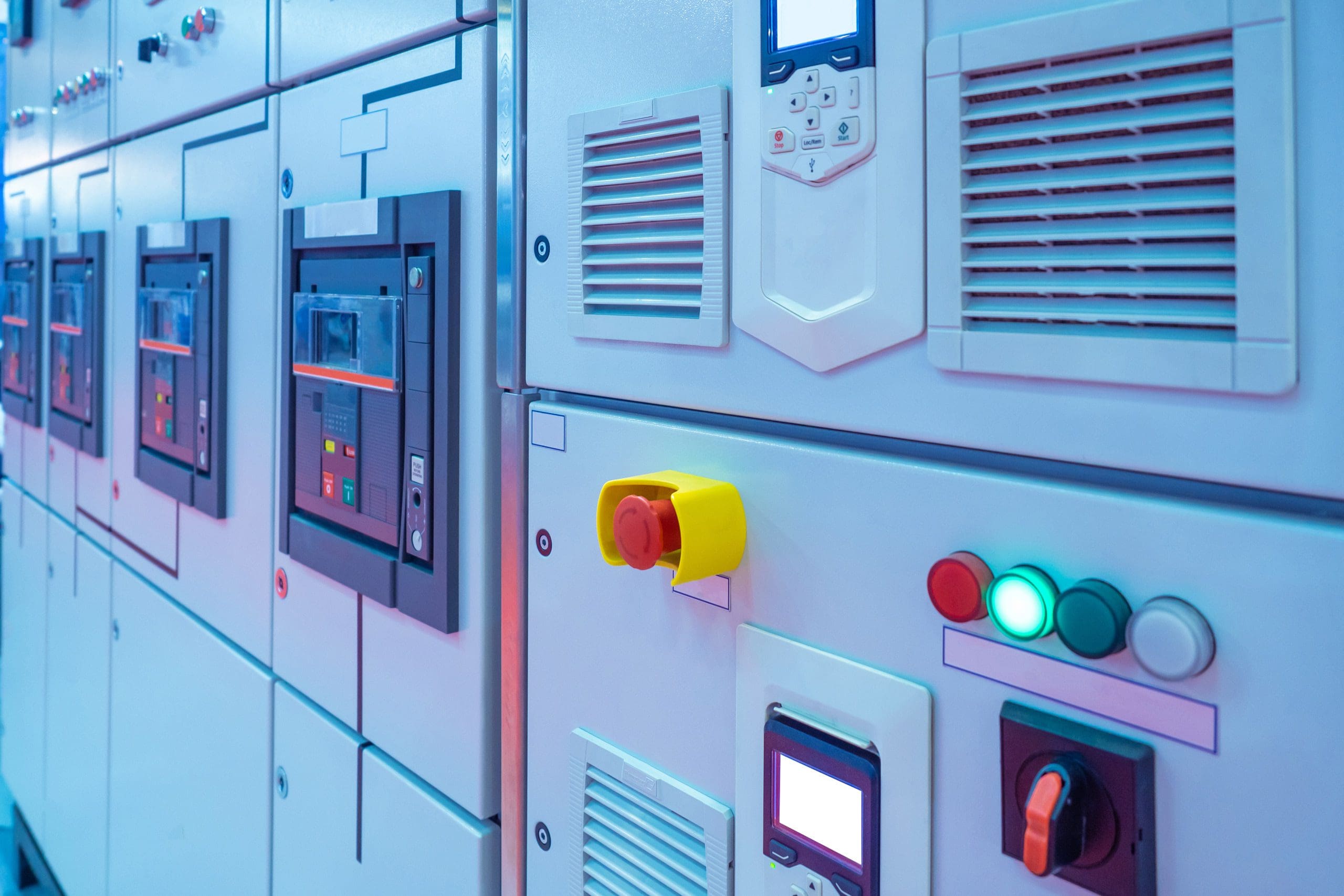
Upgrading your control system is essential to keeping your operations competitive. Outdated systems can lead to inefficiencies, limited functionality, and increased downtime. Modernizing your control systems enhances reliability, improves performance, and future-proofs your operations. Whether you’re facing compatibility issues, aiming for better efficiency, or planning for scalability, a well-executed control system upgrade can be a game-changer for your business.
Key Benefits of Automation System Enhancement
Wondering if it’s worth undergoing a full upgrade? The advantages of modernizing your control system include:
- Improved Reliability: Modern systems offer enhanced stability and reduced failure rates.
- Increased Efficiency: Automation improvements streamline operations, saving both time and costs.
- Scalability: New systems grow with your business, enabling easier expansion and integration.
- Reduced Downtime: Predictive maintenance and better fault detection minimize unplanned stops.
By upgrading, you set the stage for enhanced productivity and long-term success.
A Step-by-Step Guide to Preparing for a Control System Upgrade
When approaching an upgrade of your aging control system, focusing on the execution of the upgrade is natural. Often overlooked is the time and effort it takes to choose the right platform and approach for the upgrade. The upfront investment can have a tremendous payoff when you take a long-term view and consider all stakeholders’ needs from the system.
Before upgrading your control system, you should first:
- Understand your stakeholders’ needs
- Workshop your requirements
- Consider business motivators
- Develop a good partnership with your system integrator
- Explore different automation solutions
- Learn from others’ success
- Embrace the process
Focus on the Needs of All Stakeholders
This is not an area to ignore during scope definition. Any facility will have multiple stakeholders for any control system upgrade and buy-in to the process is crucial. Many resent a solution that appears to come from the top down, and this can lead to a number of productivity issues down the line. The best way to avoid this is to involve all the stakeholders early in the process:
- Automation
- EH&S
- Facilities/Maintenance
- Instrumentation
- IT
- Production/Manufacturing
- Process Engineering/Development
- Procurement/Finance
- Quality
- System integration partners
Remember that not everyone talks to each other in the facility. User group meetings and discussions with all stakeholders together can enlighten the whole team and get everyone on the same page. This objective approach can also help with requirements definition.
Use Workshops to Gather the Requirements
In a recent project we did for a client looking to upgrade, we held workshop groups of folks with similar functions. This includes warmup exercises to ensure all stakeholders use common terms and understand the scope and systems in question. The workshops also enabled them to imagine their day-to-day interactions with the control system, allowing them to frame their needs.
A workshop approach should:
- Create major categories to help attendees brainstorm requirements in all relevant areas, such as Batch/Recipe, Controllers, User Interfaces, Personal Devices, Alarming, Reporting, Version Control, etc.
- Ask participants to use the user story format for requirements:
- As a [role], I need [requirement] so I can [result or desired outcome].
- Have snacks! (A must in our opinion)
Don’t Neglect the Business Motivators
This is another important reason to include ALL stakeholders in your requirements definition. How do you go about getting the project approved? Is leadership willing to spend that kind of money? What’s the approval process like for a capital project? Work with management, finance and purchasing to answer these questions.
Don’t forget to look at the business objectives. What are the strategic goals? A pharmaceutical company competing to be first to market with a product, for example, would want to understand how a new control system will help them achieve this goal. Scalability is also a question to raise, particularly when growth is a part of a company’s strategic map.
A good system integrator will be adept at automating your process. An exceptional system integrator will help you achieve your business goals.
Consider Your Relationship with Your Integrator
In our experience, a systematic and objective approach to a control system upgrade works really well. Just as important is a solid relationship with your integrator. Do you trust them enough to offer unbiased opinions based on solid research, requirements definition and vendor evaluation? Are they willing to understand and work within your business processes? If not, look for one you do trust. The best control system upgrade projects are planned and executed by a team of facility stakeholders and system integrators, partnering together for optimum results.
Explore the Potential of Different Automation Solutions
Planning a control system upgrade needs to be done with an eye on the future in mind: longevity and sustainability are staples of the best in system design. And while there is no shortage of automation software on the market, not every product is created equal, and not every product is right for a given facility. Rockwell’s PlantPAX software may be perfect for a metals manufacturer but not as good of a fit as their PharmaSuite® MES would be for a research laboratory.
The best control system integrators know these products inside and out, and can help you make the right choices according to your facility’s needs. Factors to consider in your automation products include:
- Accessibility: Consider who will be using the technology. Including these people in the process will inform your integrator on IIoT and interface design.
- Cost: Expense, downtime, lifespan, etc. need to be weighed against what increased output, safety, consistency and quality the new control system will offer.
- Features: Identify everything you want your control system to be able to do.
- Longevity: How long does it last and what does a recontrol look like when the system reaches obsolescence?
Take Lessons from Relevant Case Studies
Before you choose your integration partner, take a look at what they’ve already achieved. E Tech Group has a proven track record of successful control system upgrades. We have:
- Upgraded the PLC system for a cheese manufacturer, installing a new panel to house the PLC and associated communications modules. This enhancement reduced downtime and enabled smoother expansion for the client.
- Upgraded a winery’s PLC and SCADA systems to modernize an outdated legacy system. These upgrades reduced downtime, minimized hardware costs, and supported easier maintenance.
- Overhauled a botched control system upgrade for a warehouse, upgrading an obsolete system that was no longer operational. This expedited overhaul got the client back up and running in record time.
You can learn more about these upgrades — and many more — on E Tech Group’s case studies page.
Embrace the Process
Is this a lot of work? Yes. But when you’re considering an upgrade that will be in place in your facility for years to come, shouldn’t it be?
Need to plan a control system upgrade at your facility? Let’s get started.